Laws You Must Abide By When Being More Independent
Living more independently, whether that means moving off-grid, managing your own utilities, or running a self-sufficient property, can be incredibly rewarding. It offers freedom, control, and often a more sustainable lifestyle. However, independence does not mean operating without rules. In fact, it often comes with additional legal responsibilities that must be carefully followed.
Understanding the laws that apply to your setup is essential to avoid fines, environmental harm, or costly corrective work.
Planning Permission and Property Regulations
Before making any major changes to your property, you need to ensure that your plans comply with local planning laws. This is especially important if you are installing new structures, converting land for different uses, or making significant alterations to existing buildings. Even relatively small changes can require approval, so it’s always worth checking with your local authority before starting any work. Taking this step early can prevent delays and unexpected complications later on.
Water Supply and Usage Laws
If you are sourcing your own water through boreholes, wells, or rainwater systems, there are legal responsibilities to consider. Water must be safe for use, and in some cases, you may need to register your supply or comply with usage limits. It’s important to ensure that your water meets health standards and that your usage does not negatively impact surrounding areas. Managing your own supply brings independence, but it also requires careful oversight.
Energy Generation and Safety Compliance
Generating your own energy is a popular way to become more self-sufficient, but installations must meet strict safety standards. Solar panels, wind turbines, and battery systems all need to be installed and maintained correctly. Using certified equipment and qualified installers is essential. You’ll also need to ensure your setup complies with building regulations and, where relevant, grid connection requirements. These measures are in place to protect your property and others.
Waste Management and Disposal Laws
Handling your own waste is one of the most important responsibilities that comes with independent living. If your property is not connected to mains drainage, you are legally responsible for ensuring that sewage is treated and disposed of correctly.
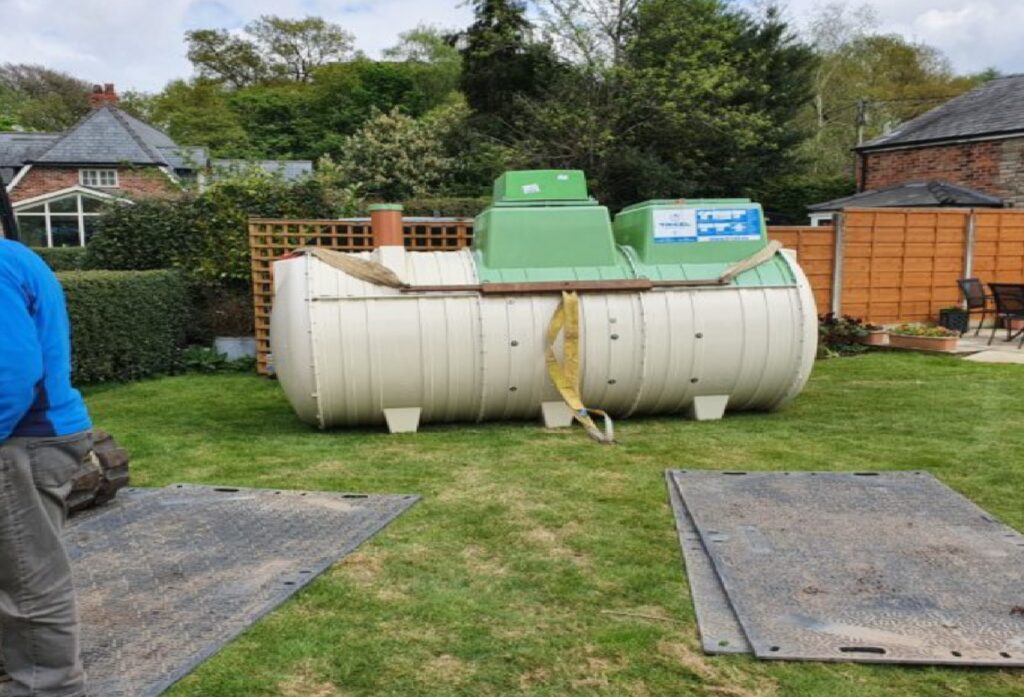
For systems such as a Tricel Novo sewage treatment plant, this involves keeping the system properly maintained and ensuring it meets current environmental standards. Waste must not be allowed to contaminate land or watercourses, and regular servicing is essential.
If your system becomes outdated or non-compliant, arranging a sewage treatment plant removal through qualified professionals ensures that it is safely decommissioned and replaced if necessary. This step is vital to remain compliant and avoid environmental risks.
Environmental Protection Responsibilities
Living more independently often means being closer to nature, which comes with a greater responsibility to protect it. Activities on your property must not harm the surrounding environment. This includes avoiding pollution, protecting local wildlife habitats, and ensuring that any work carried out does not damage ecosystems. Environmental regulations are taken seriously, particularly in rural areas.
Health and Safety Obligations
If your independent setup involves running a business, hosting visitors, or employing others, health and safety laws will apply. You are responsible for ensuring that your property is safe for anyone who uses it. This may involve carrying out risk assessments, maintaining safe access, and ensuring that equipment and facilities meet required standards. These responsibilities help prevent accidents and protect everyone involved.
Keeping Up with Changing Regulations
Regulations can change over time, particularly in areas such as environmental protection and sustainability. Systems that were once compliant may no longer meet current standards. Staying informed allows you to make necessary updates and avoid unexpected legal issues. Regularly reviewing guidance from local authorities or relevant agencies can help you stay on track.
Independence with Responsibility
Becoming more independent offers freedom and flexibility, but it also requires a clear understanding of your legal responsibilities. From planning permissions to waste management, every aspect of your setup must comply with current laws. If you follow the above, you can enjoy the benefits of independence while ensuring your property remains safe, compliant, and sustainable.