The Value of Organized Aid During Critical Moments
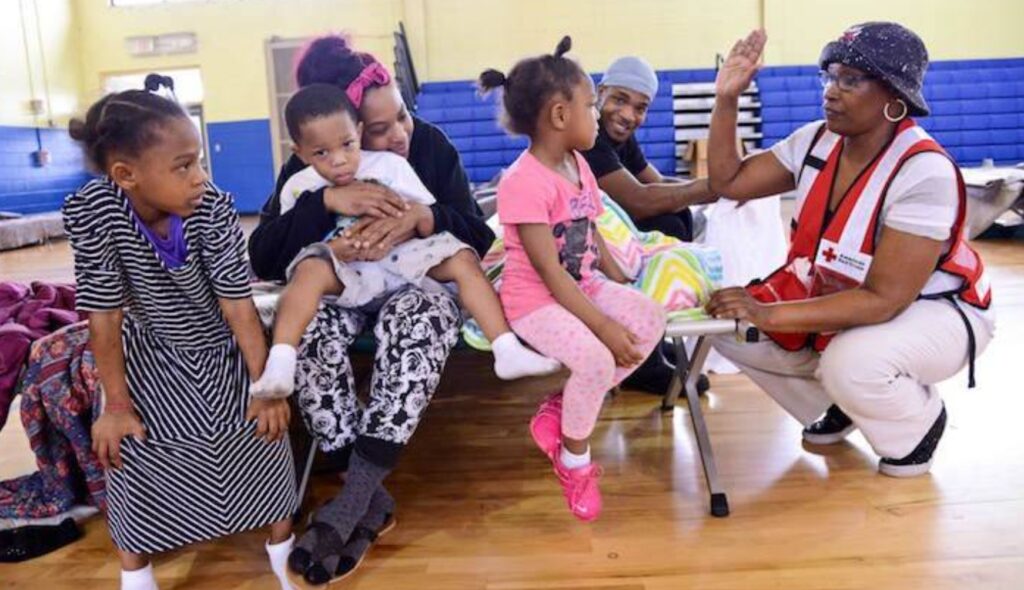
When unexpected crises occur, people often find themselves dealing with fear, uncertainty, and sudden changes to their daily lives. Emergencies can disrupt homes, workplaces, and entire communities in a matter of moments. In these challenging situations, organized aid becomes an essential lifeline. Structured support systems help guide relief efforts, reduce confusion, and ensure that assistance reaches those who need it most. By bringing order to chaos, coordinated responses can help protect lives and restore a sense of stability.
Bringing Direction to Urgent Situations
Critical moments often create an overwhelming sense of urgency. Individuals and communities may struggle to determine what steps to take first, especially when multiple needs arise at once. Organized aid introduces clear direction and planning into these situations. Response teams can identify priorities, assign responsibilities, and work toward specific goals, which helps ensure that relief efforts are both effective and timely.
Having a structured plan also helps reduce duplication of work and prevents important tasks from being overlooked. When responders operate within a coordinated framework, they are better equipped to address urgent concerns such as rescue operations, medical assistance, and safe shelter. This sense of order allows people affected by the crisis to focus on their immediate safety while knowing that reliable support is being provided.
Making the Most of Limited Resources
In many emergencies, resources such as food, water, medical supplies, and transportation are in short supply. Organized aid plays a vital role in making sure these resources are used wisely. Coordinated systems help track available supplies and match them with the most pressing needs. This approach reduces waste, prevents shortages, and ensures that help is distributed fairly across affected areas.
Strategic planning also allows relief organizations to anticipate future needs rather than simply reacting to current challenges. By taking a proactive approach, they can position supplies, prepare volunteers, and maintain efficient delivery methods. This forward-thinking mindset helps communities avoid prolonged hardship and speeds up the recovery process.
Strengthening Communication and Teamwork
Clear communication is essential during any crisis. When information is inconsistent or delayed, confusion can spread quickly, making an already difficult situation even more stressful. Organized aid structures establish reliable communication channels between responders, local authorities, and community members. These channels allow for quick updates, coordinated decision-making, and consistent public messaging.
Teamwork is another key advantage of structured relief efforts. Different organizations, agencies, and volunteer groups can combine their strengths and expertise to serve communities more effectively. Working together reduces gaps in support and helps create a more comprehensive response. This collaborative spirit often leads to stronger relationships that benefit communities long after the immediate emergency has passed.
Encouraging Faster Recovery and Resilience
The benefits of organized aid continue well beyond the initial response phase. When support is delivered efficiently and thoughtfully, communities are better able to begin rebuilding their lives. Access to safe shelter, emotional support, and practical assistance can help individuals regain confidence and move forward after difficult experiences.
Programs such as national disaster relief services demonstrate how structured initiatives can provide both immediate relief and long-term recovery support. These efforts often include preparedness education and training, which empower communities to respond more effectively to future challenges. Over time, this proactive approach fosters resilience and strengthens collective confidence.
Providing Comfort and Stability
During critical moments, people look for reassurance that they are not facing hardship alone. Organized aid offers more than practical assistance; it also provides emotional comfort. Seeing coordinated teams working diligently to help can restore hope and encourage a sense of unity.
Reliable support systems also help rebuild trust within communities. When individuals know that assistance will be delivered in an organized and compassionate manner, they are more likely to cooperate with relief efforts and support one another. This shared commitment to recovery strengthens social connections and contributes to long-term well-being.
The Road Ahead
Organized aid is an invaluable resource during times of crisis. By bringing structure, improving communication, and ensuring the fair use of resources, coordinated relief efforts help communities navigate uncertainty with greater confidence. Beyond addressing immediate needs, organized support systems play a crucial role in fostering resilience and hope. In the face of critical moments, the presence of organized aid can make the difference between prolonged hardship and a steady path toward recovery.